

CMF Designers: Defining a Vehicle's Visual and Tactile DNA
Consumer research suggests that shoppers form their first impressions within seven seconds, with color influencing as much as 67% of that initial response. Cars are no exception. Buyers may not know every performance specification, but they immediately respond to a vehicle’s color, materials, and finish. That immediate response is no accident. It is carefully shaped by CMF designers.
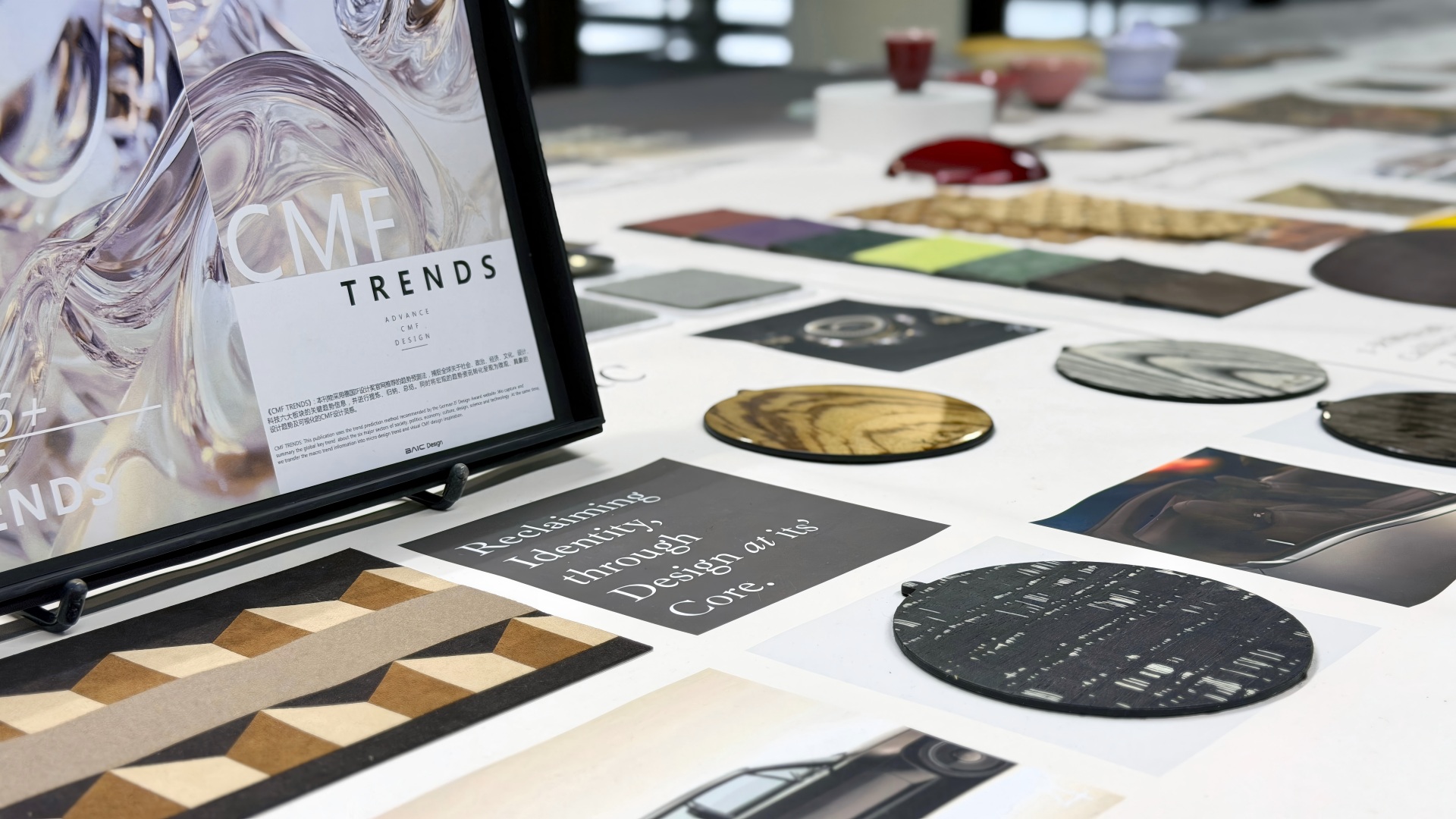
CMF stands for Color, Material, and Finish. If styling defines a vehicle’s form, CMF shapes its character, texture, and presence. CMF designers do far more than select colors. By bringing together color, materials, gloss, finishes, and production processes, they create a cohesive sensory experience users can both see and feel.
Beyond Color, CMF Defines Character
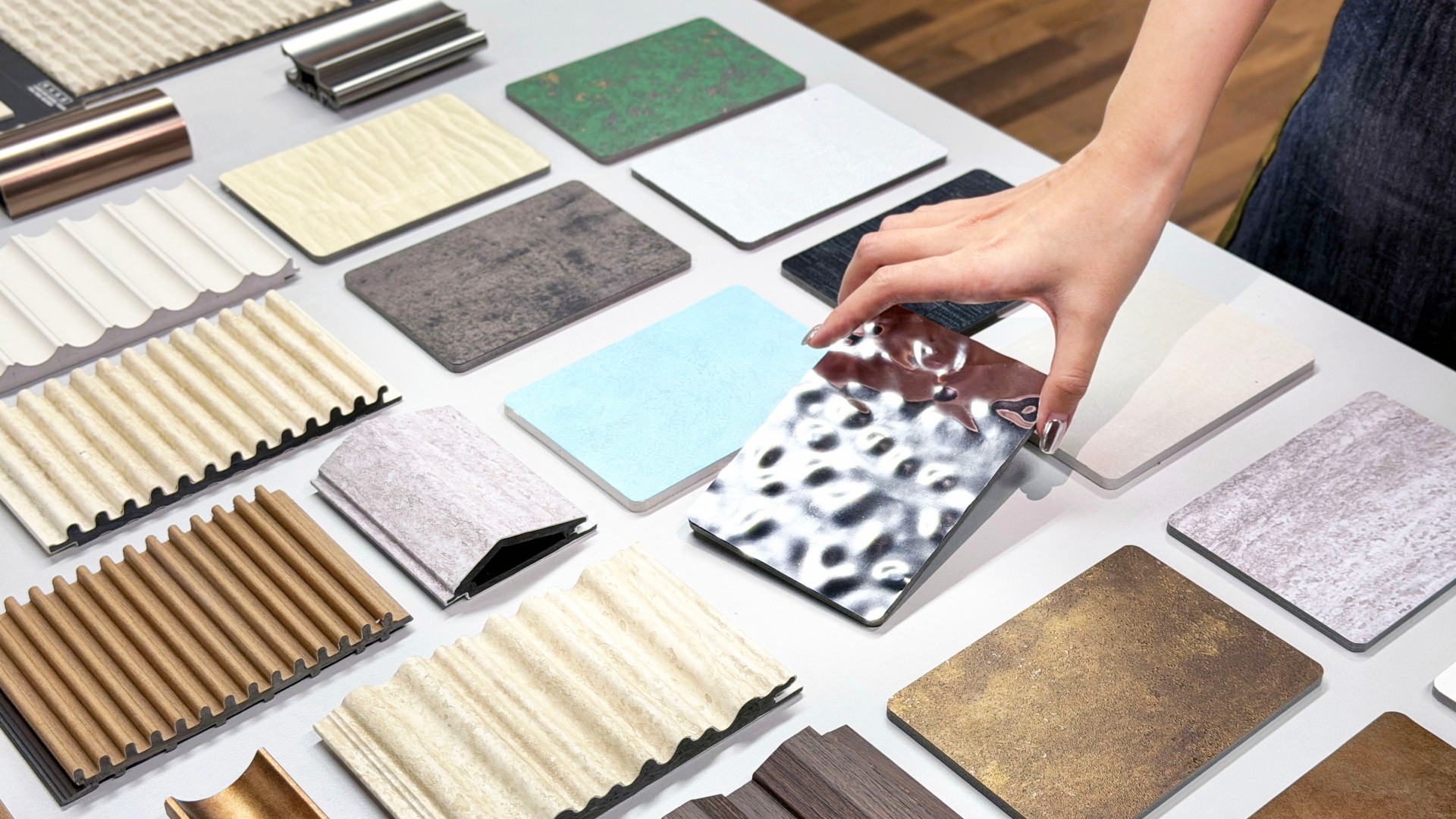
Color is the most visible layer of CMF, but it is only one part of the discipline. A complete CMF concept covers exterior paint, interior materials, surface textures, tactility, and production feasibility. Together, these elements define the emotional tone of a vehicle.
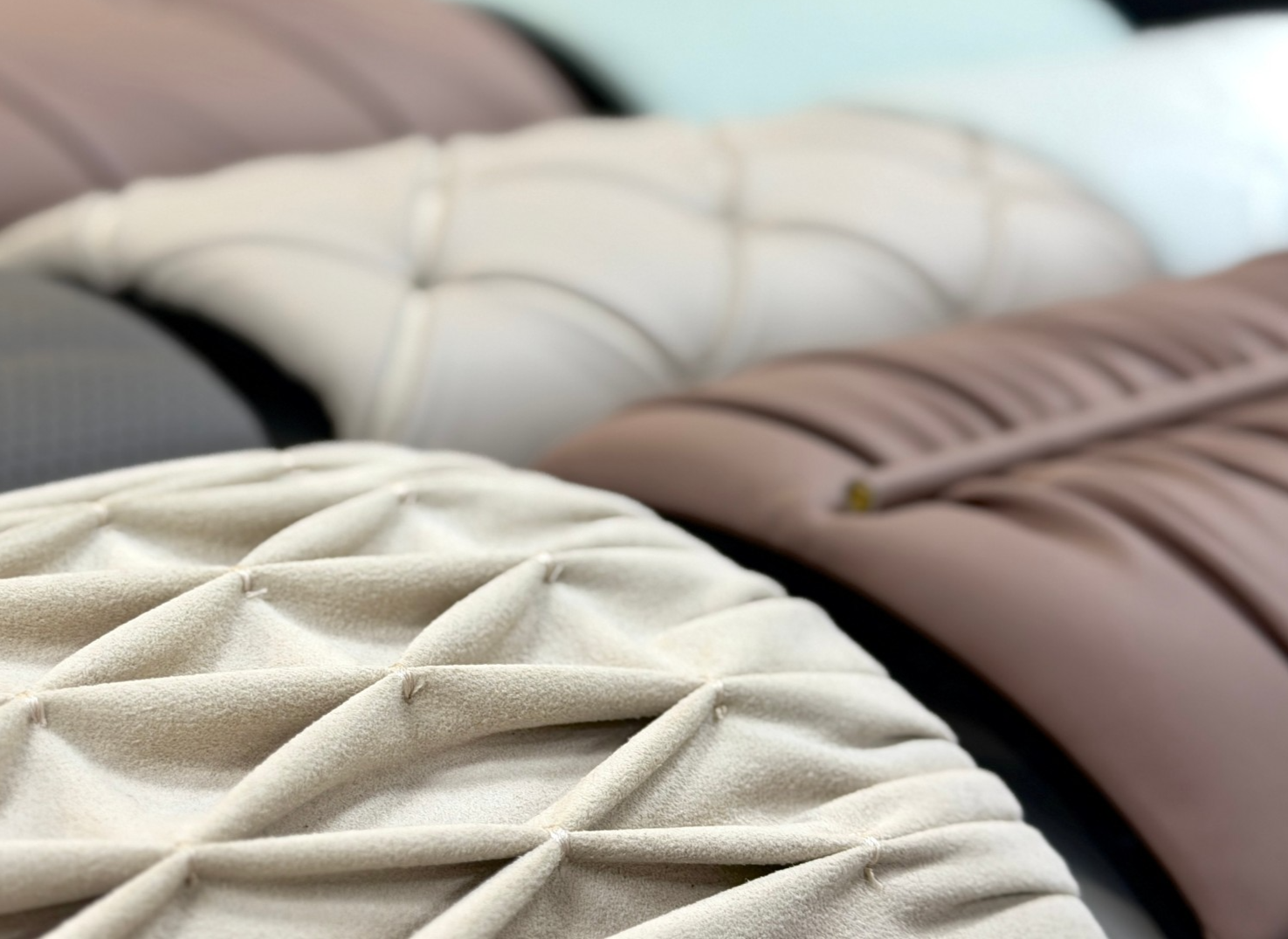
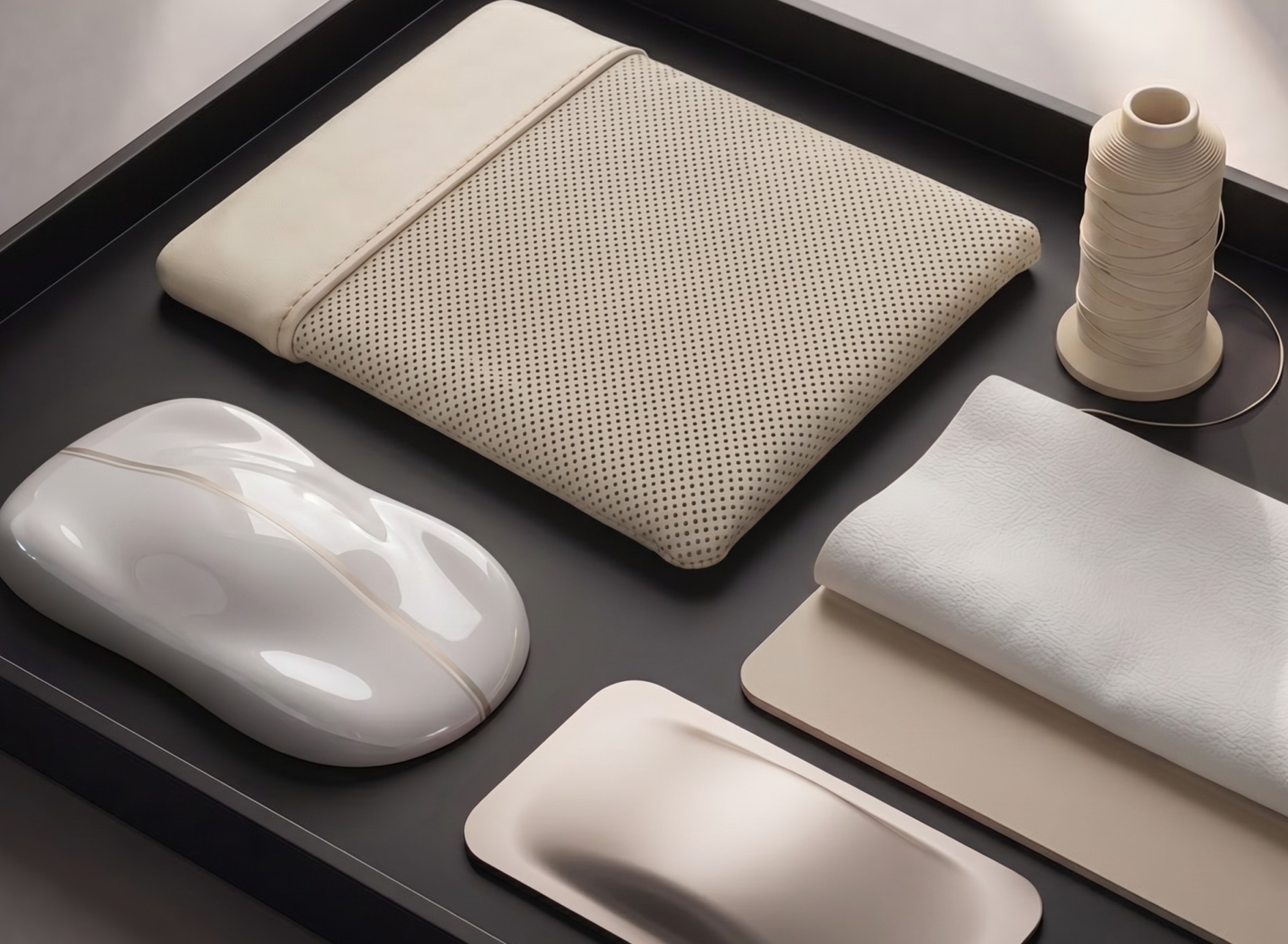
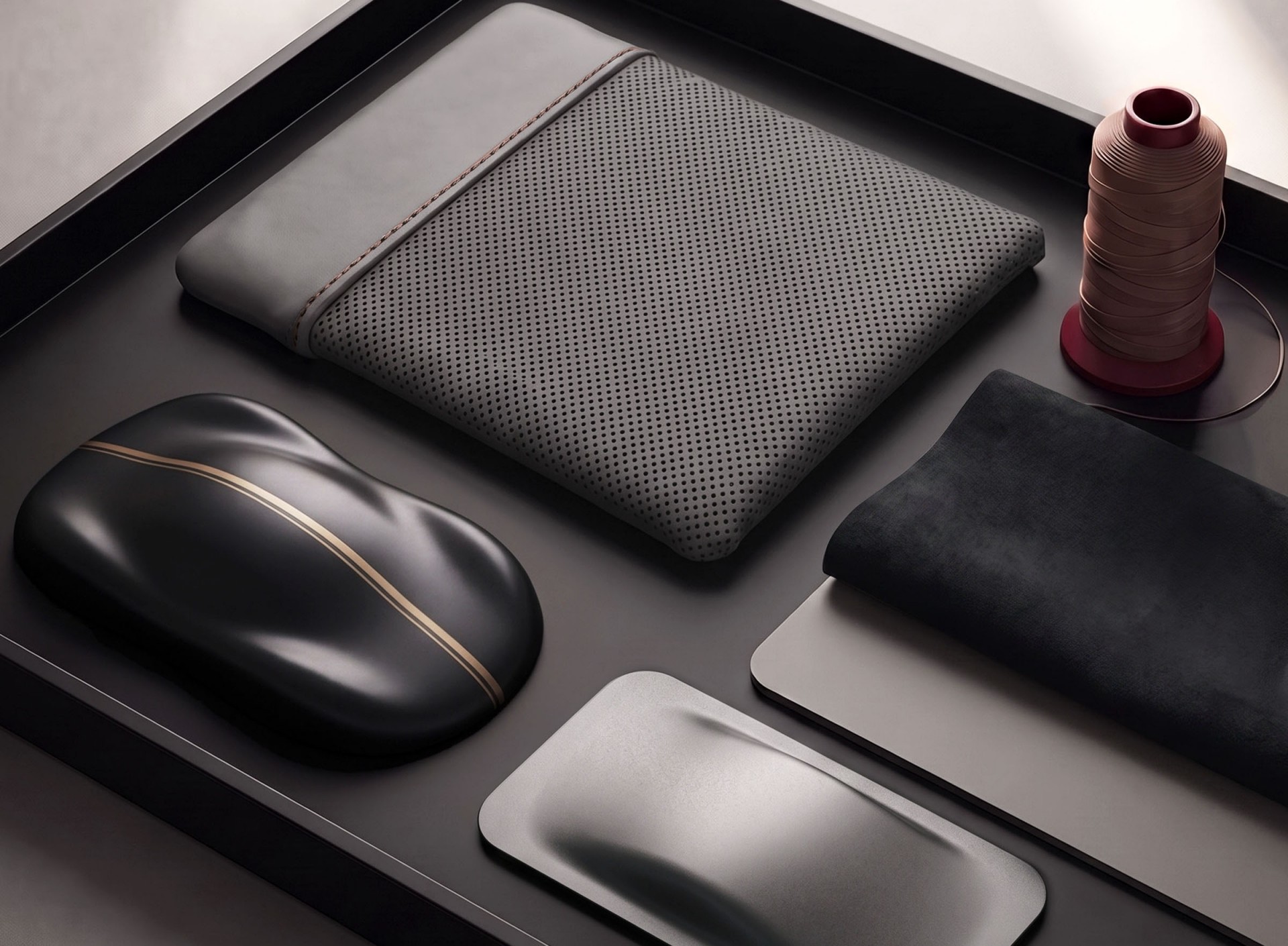
CMF can give the same SUV an entirely different character. Muted metallic paint, textiles, and wood-grain finishes can create a warm, natural atmosphere. Gloss black trim, cool metallic finishes, and high-contrast colors can give it a sportier, sharper character. The vehicle remains the same. Its character does not. Users may never know how many iterations it took to perfect a leather grain, but they feel its comfort and refinement every time they touch the steering wheel or door panel. That is the value of CMF: it works on the surface, yet shapes the experience within.
Start with the User. Design for the Context
_20260730142129A041.jpg)
Strong CMF design is never about appearance alone. At the outset, designers ask three questions: Who is the user? What is the vehicle designed to be? Where and how will it be used?
An off-road vehicle may draw from nature, using earthy tones to convey strength and a sense of security. A family or commuter vehicle may use soft cream tones and pale pinks to create a relaxed, approachable atmosphere.



Beyond visual appeal, designers must also balance tactile comfort, wear resistance, stain resistance, and cost. There is no universal formula in CMF—only the solution that best fits the target user and intended context. This requires more than aesthetic intuition. It demands systematic thinking.
From Concept to Production: Meeting the Demands of Manufacturing
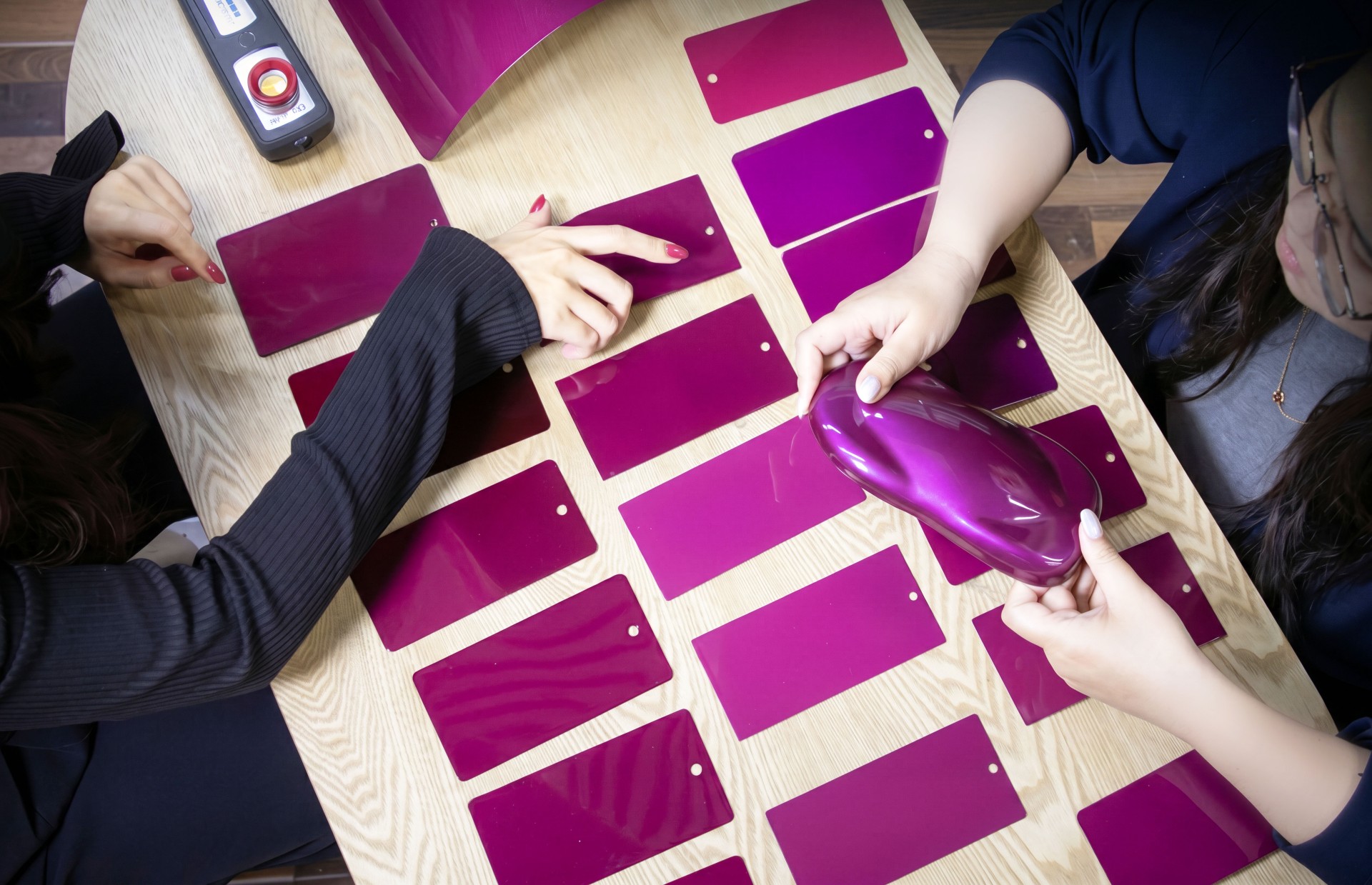
A CMF concept may look flawless on screen, but the real challenge begins when it moves toward production. A color that looks striking on a sample panel may appear dull across complex body contours. A finish that looks right under showroom lighting may shift in natural light. A premium material that performs well in prototypes may prove difficult to reproduce consistently in mass production.
_20260730140823A026.png)
_20260730140836A027.png)
_20260730140856A029.png)
_20260730141211A030.jpg)
CMF designers must therefore balance aesthetic intent with engineering reality. They work closely with engineering and manufacturing teams to validate process stability through countless rounds of color matching, revisions, and reviews. Strong CMF design knows where to adapt and where to hold firm. Non-critical areas may be adjusted to meet production requirements, but key touchpoints and signature brand details must not be compromised.
_20260730141231A031.png)
_20260730141240A032.png)
_20260730141250A033.png)
Collaboration Creates a Cohesive Sensory Experience

CMF is highly collaborative. A single concept takes shape through ongoing communication and repeated alignment among the color team, engineering and R&D, supply chain, and other functions. Designers must do more than develop concepts. They need the cross-functional communication skills to align teams and carry those concepts through to production.
CMF designers act as vehicle sensory directors. They shape not only a vehicle’s colors and materials, but also the emotional response and brand perception created through every interaction.


Expertise is Built Over Time
For designers entering the field, CMF demands curiosity and patience. Good judgment is not developed in the classroom alone. It grows through real projects, as ideas are challenged, refined, and carried through to production.
Taste is not born in a flash of inspiration. It is built through sustained observation. It comes from touching different materials and studying how paint changes under different light. Over time, these everyday observations become professional design judgment.
_20260730142727A052.jpg)
CMF designers do more than choose colors. They must capture attention at first glance—and create a sense of warmth and refinement that users remember with every touch.


 京公网安备 11011302005196号